

Choosing the right house colour design can completely transform your home. Even after cleaning and renovating, your space may feel incomplete if the colours don’t match your style or purpose. From elegant room colour designs for interiors to durable house colour outside options, selecting the perfect home colour combination enhances comfort, mood, and style. This guide will walk you through 8 expert ways to select house paint colors, explore interior and exterior paint colors, and help you create a space that reflects your personality and suits Nepal’s climate.
1. Understand the Psychology of Colours in House Colour Design

Colors affect emotions and set the mood of any space. Cool tones like blue and green encourage relaxation, while warm colours like red, orange, and yellow bring energy and coziness. Neutral shades such as white, beige, and grey provide versatility and a timeless look. By understanding colour psychology, you can choose the best colour for house interiors and exteriors that match your lifestyle and design goals.
2. Consider Lighting When Choosing Room Colour Design
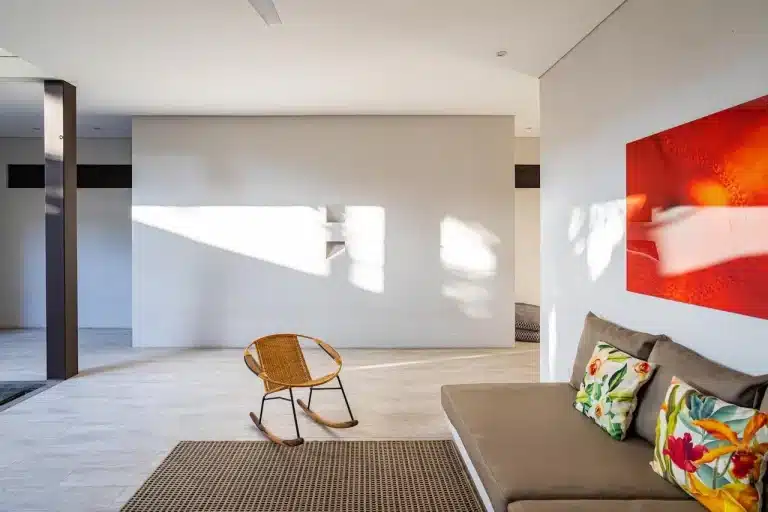
Lighting plays a vital role in room colour design. Natural sunlight, artificial lighting, and the direction your windows face can change how wall colour design appears. For example, south-facing rooms in Nepal receive abundant sunlight, which makes warm tones appear brighter. Always test interior paint colors and wall colours in different lighting conditions to ensure they achieve the desired effect.
3. Choose Colours Based on the Purpose of Each Room

The function of a room should guide your interior house colors selection:
- Living Room Colors: Choose welcoming living room colors like soft neutrals or subtle accent walls.
- Bedroom Colour Design: Opt for calming shades such as pastels, muted greens, or blues.
- Kitchen/Dining Areas: Bright, lively colours stimulate energy and appetite.
Selecting home colour combinations based on room function ensures every space is both functional and aesthetically pleasing.
4. Analyze Existing Elements Before Final Home Colour Selection
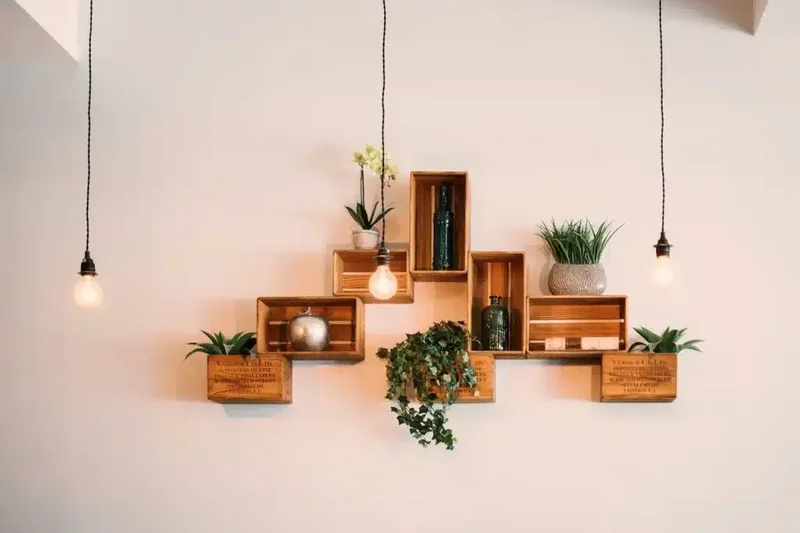
Consider your home’s fixed elements like furniture, flooring and cabinets. When deciding home colour design. Creating contrast highlights features, while colour harmony makes spaces look cohesive. Assessing these elements helps ensure your home colour choices work seamlessly with your interior design.
5. Experiment with Room Colour Combinations & Paint Schemes
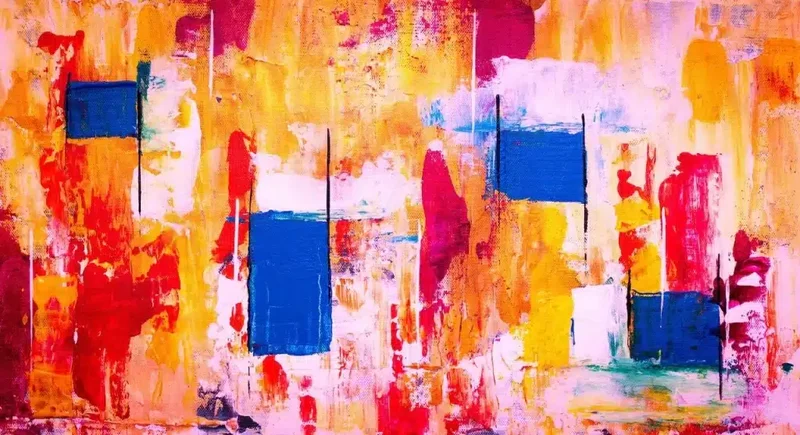
Try different room colour combinations to see what fits best:
- Monochromatic Schemes: Use various shades of a single colour for a calm and unified look.
- Complementary Schemes: Colours opposite on the colour wheel create vibrant and harmonious results.
- Analogous Schemes: Adjacent colours on the wheel produce subtle and relaxing spaces.
Experimenting allows you to choose home color ideas that feel balanced and personalized.
6. Test Paint Samples Before Final Home Colour Selection

Always test home paint colour samples on small sections of walls. Observe how colours look under natural and artificial light and how they blend with existing elements. This step is crucial for home color selection and ensures your interior paint colors and exterior paint colors meet your expectations.
7. Seek Inspiration for Interior & Exterior House Colours

Explore interior and exterior house colors from:
- Home decor magazines
- Online platforms like Pinterest
- Na ture and local homes in Nepal
Creating mood boards and collecting inspiration will help you generate fresh home color ideas and discover colour combinations for living room or bedrooms that reflect your style.
8. Trust Your Instincts When Finalizing House Colour Design
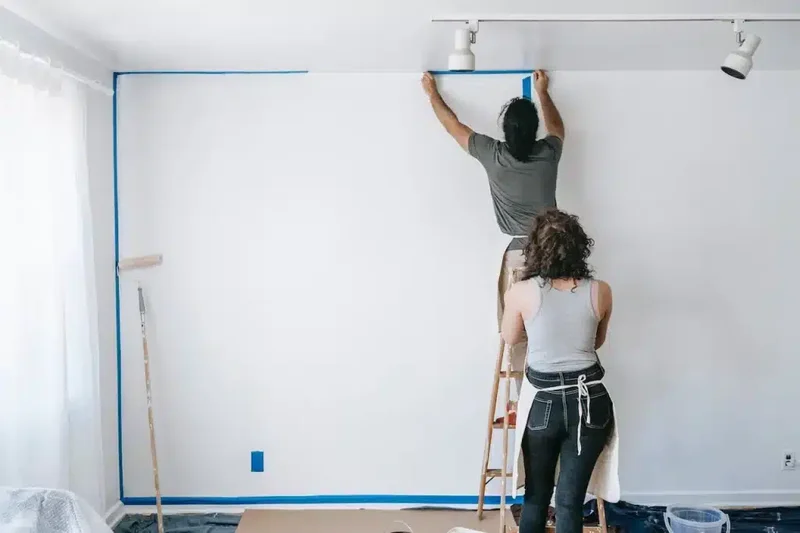
Ultimately, your home should reflect your personality and preferences. Trust your intuition when choosing house paint colors and home colour combination. If uncertain, professional painters or interior designers can provide guidance, ensuring your best paint colors for home are well-selected.
9. House Colour Outside: Tips for Choosing Exterior Paint Colours
Selecting the right house colour outside is essential for first impressions and long-term durability:
- Weather Resistance: Use paints suitable for Nepal’s climate.
- Sunlight & Dust: Light neutrals reduce fading and hide dust.
- Matching: Coordinate exterior house paint colors with roofs, doors, and surroundings.
- Durability: Ensure paints withstand sun, rain, and dust accumulation.
Proper planning guarantees your outside house paint colors stay vibrant and easy to maintain.
Ultimately, the goal is to build a home that reflects your style, inspires the desired feelings, and offers a cozy haven for you and your loved ones, whether you choose to proceed on the color selection adventure individually or seek professional guidance. Trust your intuition, embrace the transforming effect of color, and let your home serve as a blank canvas for your individuality and happiness. And if you find choosing the perfect color for your dream home hectic or difficult, you can always seek help and guidance from professional house painters who’ll have in-depth knowledge about the color theory and can advice you which color will represent your personality, elegance and suit your home the best.
Neutral shades like cream, beige, and light grey are versatile, suit most lighting conditions and complement furniture and décor.
Pick a base colour and combine it with one or two complementary shades to create balanced room colour combinations.
Light and neutral exterior house colors are ideal for Nepal’s sunny and dusty environment as they fade less and are easier to clean.
They don’t need to match exactly, but complementary schemes create a harmonious appearance.
Professional painters or designers can help with home color selection and advise on the best colour for house interiors and exteriors, especially for large projects.


