
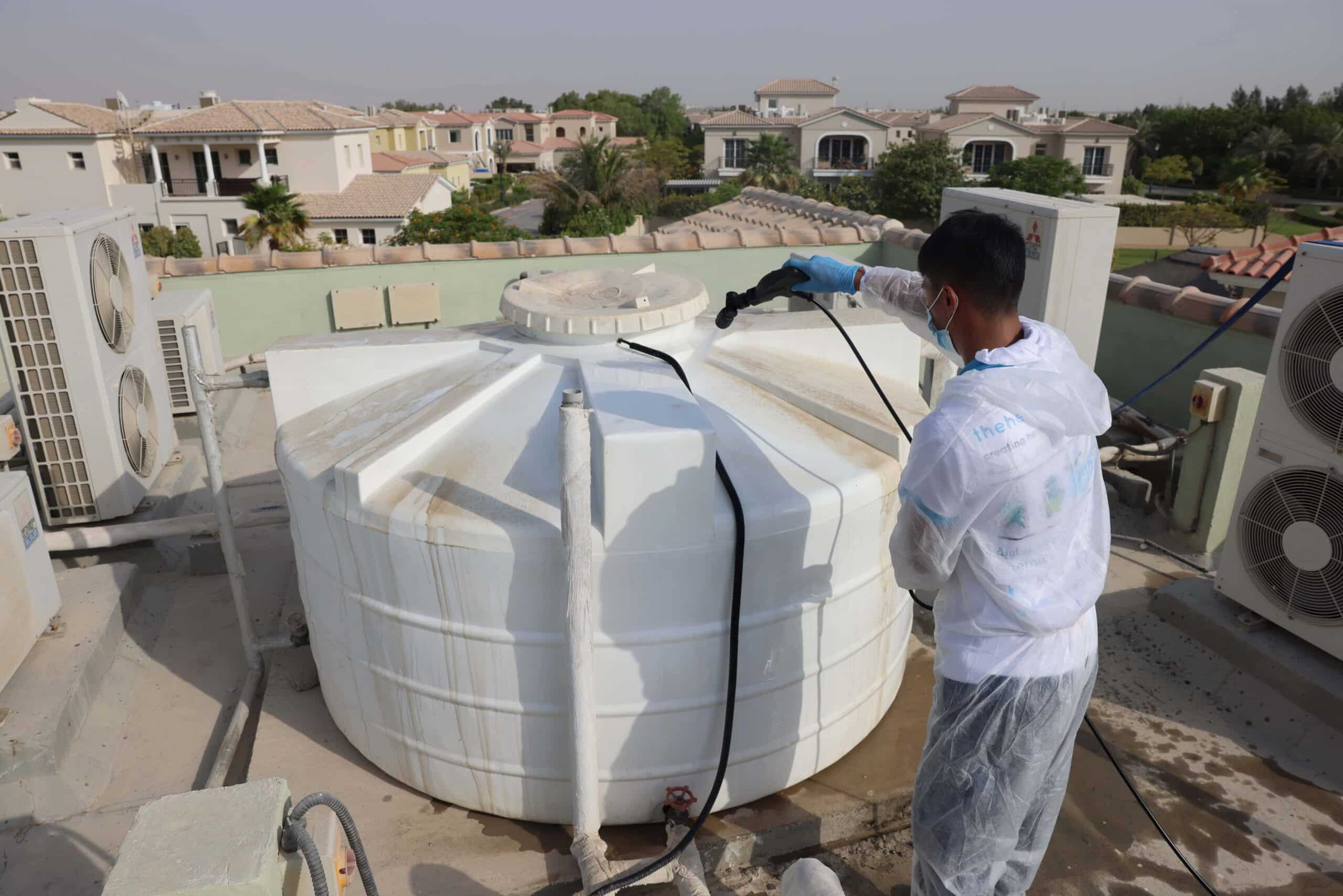
Revitalize Your Water Supply with Expert water Tank Cleaning Service
Water is essential for life, but the water stored in your tank may not always be clean. Over time, water tanks can accumulate sediments, debris, algae, bacteria and even chemical contaminants. These pollutants can affect both the quality and safety of your water supply. Regular water tank cleaning is crucial to prevent contamination, extend the life of your tank and ensure a steady flow of safe water.
Professional water tank cleaning service not only remove harmful deposits but also to maintain the efficiency of your water system, preventing blockages, foul odors and also potential health risks. Whether for a residential or commercial property, cleaned water storage is vital for your health and peace of mind.
Why Is Water Tank Cleaning Essential?
Neglecting water tank maintenance can lead to serious problems like:
- Health Risks: Contaminated tanks can harbor bacteria such as E. coli, algae, fungi and other microorganisms, leading to waterborne illnesses.
- Sediment Buildup: Accumulated sand, silt and debris create environments conducive to microbial growth.
- Corrosion & Damage: Over time, contaminants can damage the tank, causing leaks or costly repairs.
- Unpleasant Water Quality: Foul odors, discoloration or metallic taste indicate contamination.
Key Benefits of Regular Cleaning water tank:
- Prevents contamination and maintains water quality.
- Inhibits growth of algae, bacteria and biofilm.
- Extends the lifespan of the tank and plumbing system.
- Reduces repair costs and improves efficiency.
Common Contaminants in Water Tanks
Understanding what contaminates your tank highlights the importance of cleaning:
- Sediments: Sand, silt and particulate matter settle at the tank’s bottom, creating a breeding ground for bacteria.
- Microbial Growth: Algae, bacteria and fungi can form biofilms, reducing water quality and safety.
- Chemical Contaminants: Pesticides, heavy metals and industrial runoff may enter your tank, posing long term health risks.
Signs for Your Water Tank Needs Cleaning
Regular inspections can help you spot contamination early. Watch for:
- Foul or unusual odors in water.
- Discolored or cloudy water.
- Visible sediments in the tank or water outlets.
- Health issues in household members (frequent gastrointestinal problems, rashes).
Addressing these signs promptly ensures the safety of your water supply and prevents long term damage to your tank.
The Water Tank Cleaning Process
Professional cleaning involves several steps to ensure complete sanitation:
- Inspection & Assessment: Identifies sediments, microbial growth or damage.
- Draining the Tank: All water is removed to allow thorough cleaning.
- Scrubbing & Sediment Removal: Manual or mechanical scrubbing with brushes or high pressure jets removes debris and biofilms.
- Chemical Disinfection: Approved chemicals or eco-friendly cleaners eliminate bacteria, algae and other pathogens.
- Optional Sterilization: UV treatment may be used to kill remaining microorganisms.
- Refilling & Water Quality Testing: Tank is refilled and tested to ensure safety.
This process ensures your water tank is clean, safe, and ready for use.
DIY vs. Professional Tank Cleaning
| Option | Pros | Cons |
| DIY Cleaning | Cost-effective, flexible timing | Less thorough, risk of incomplete cleaning, labor-intensive |
| Professional Cleaning | Thorough, safe, efficient, includes inspection and reporting | Higher immediate cost |
While DIY is possible, professional cleaning ensures complete removal of hidden contaminants and provides peace of mind.
How Often Should You Clean Your Water Tank?
Frequency depends on tank type, usage and environmental conditions:
- Residential Tanks: At least once a year.
- Commercial or High-Use Tanks: Every six months.
- High Contamination Areas: Every 3 to 4 months.
Monitor water quality for signs of contamination and adjust cleaning frequency as needed.
Choosing the Right Tank Cleaning Service
When selecting a service provider, consider:
- Experience & Reputation: Verified track record and positive reviews.
- Compliance: Adherence to health and safety standards.
- Techniques & Equipment: High-pressure jets, chemical cleaners, UV sterilization, or mechanical scrubbing.
- Additional Services: Water testing, maintenance contracts, or documentation of cleaning.
- Cost: Fair pricing without compromising quality.
Cost Factors for Tank Cleaning
- Tank Size: Larger tanks require more time and resources.
- Contamination Level: Heavily contaminated tanks need intensive cleaning.
- Accessibility & Complexity: Hard-to-reach tanks may require specialized equipment.
- Location: Prices vary based on local demand and service availability.
Benefits of Regular Water Tank Cleaning
- Health Safety: Reduces the risk of waterborne illnesses.
- Cost Efficiency: Prevents costly repairs and replacements.
- System Longevity: Extends the life of your tank and plumbing.
- Problem Prevention: Detects potential issues early.
Conclusion
Regular water tank cleaning is more than maintenance it is an investment in health, safety and property value. Professional cleaning ensures your water is free from contaminants, prolongs the life of your tank and keeps your water supply reliable. By combining routine inspections, timely cleanings and expert services, you can maintain a safe, efficient and sustainable water system for your home or business.
How often should my water tank be cleaned?
At least once a year for residential tanks or more often for commercial or high-contamination areas.
Can I clean my water tank myself?
DIY is possible but may not remove all contaminants. Professional cleaning is more thorough.
What are signs my tank needs cleaning?
Foul odors, discolored water, visible sediment or health issues in users.
Are eco-friendly cleaning options available?
Yes, many services use biodegradable chemicals that are safe for the environment.
Do professional cleaners provide reports?
Most provide before and after documentation to show cleaning effectiveness.